

Frank and Gloria did everything right. They took their finances seriously – saved money, earned an education, and put their kids through school. But now, retired from their careers as teachers, they find themselves struggling to stretch their income to the end of every month. And they’re not the only ones.
You’ll find people like Frank and Gloria in lines at food banks across Central Florida. Retirees. Parents with full-time jobs. Folks who worked hard and earned enough to make ends meet – or used to. Now their income isn’t keeping pace with the cost of living, and they have to decide which necessities they can survive without … which bills they can afford not to pay … and what meals they can skip to make up the difference.
As we enter 2026, hunger in Central Florida is in a worse state than it was last January. More people are missing meals. Prices are still increasing, as tariffs drive up the retail cost of clothing, groceries and other essentials. The cost of health insurance is going up – and while the House is passing an extension of subsidies to soften the blow, it will take time to go into effect.
For families who already need help, it’s become that much harder to find food assistance. While many of the SNAP benefits that were revoked last year have been restored, it will take time for families to re-certify. At the same time, the increase in senior work requirements will leave many retired Central Floridians – including family caregivers and those living with health issues – without access to benefits.
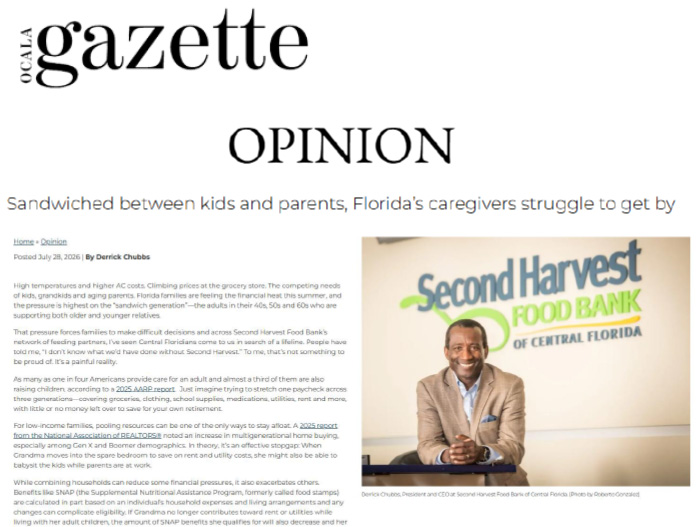
At nonprofits like Second Harvest Food Bank of Central Florida, we are working hard to narrow the gap. Second Harvest’s network currently distributes enough food for 330,000 meals a day, and we have the capacity to expand our services to meet the growing need. But we can only distribute as much food as we can source, and we rely heavily on the support of volunteers and donors.
But the real challenge – and one we’ll need to learn to live with – is that we don’t know what’s coming next. The past year of shifting priorities in funding and policy for hunger relief has proven that unpredictability is the only constant. We can’t count on having the same options tomorrow as we do today. All we can do is continue to pursue our mission, day by day, using what resources we have.
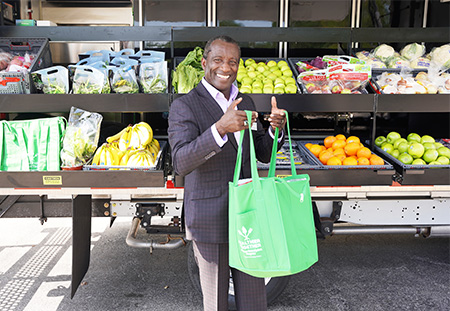
As grim as that sounds, it’s worth it – because we are making a difference. We’re making sure neighbors like Frank and Gloria can bring home groceries. We’re expanding service for our meal delivery program for seniors and disabled Central Floridians. We’re partnering with over 80 schools – and counting – through our School Markets program, so all kids can have fresh, nutritious meals at school and at home.
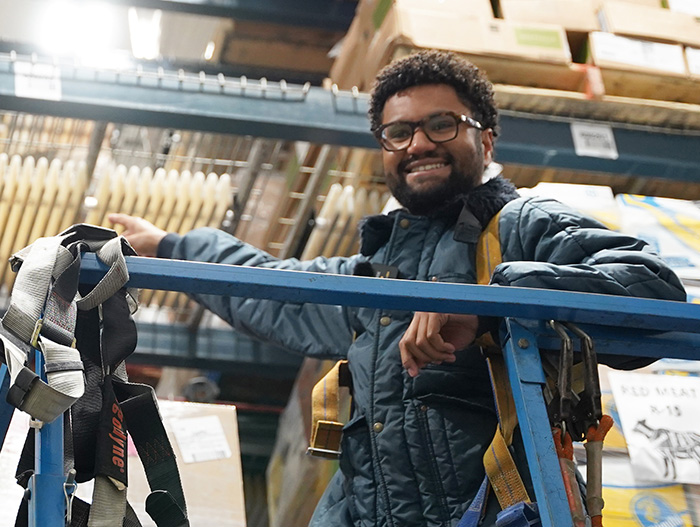
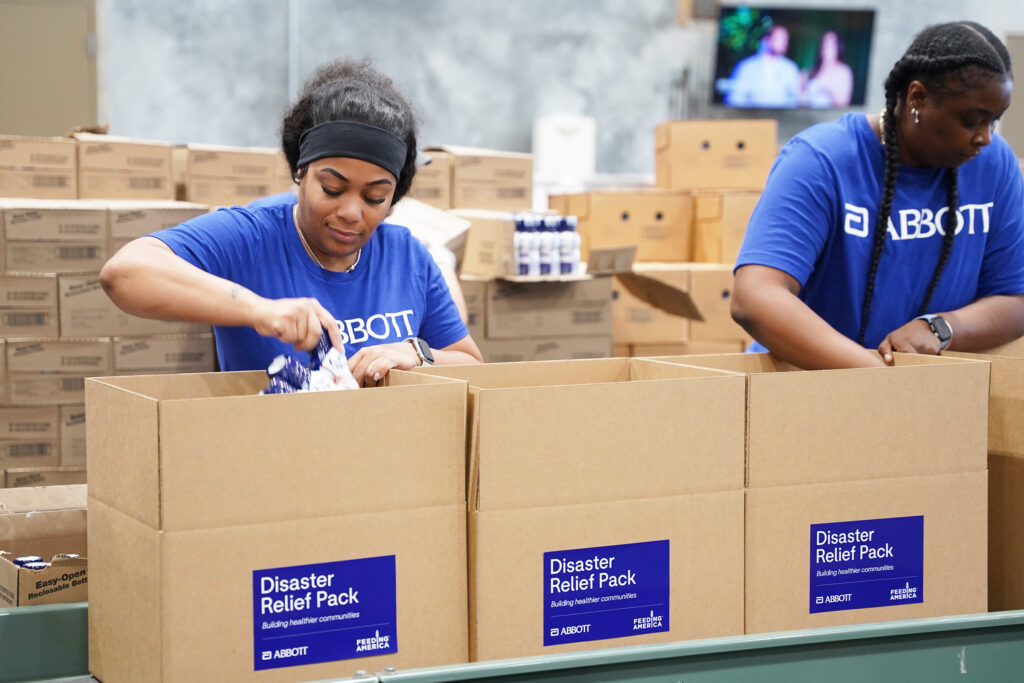
We’ll continue fighting hunger and feeding hope in 2026, but we can’t do it alone. Hunger is with us 365 days a year. The need for volunteer support is at its highest right now, in the first quarter of the new year – and whether you’re delivering meals, sorting donations, or packing grocery boxes, every shift puts food on the tables of neighbors who would otherwise go without.
With gratitude,
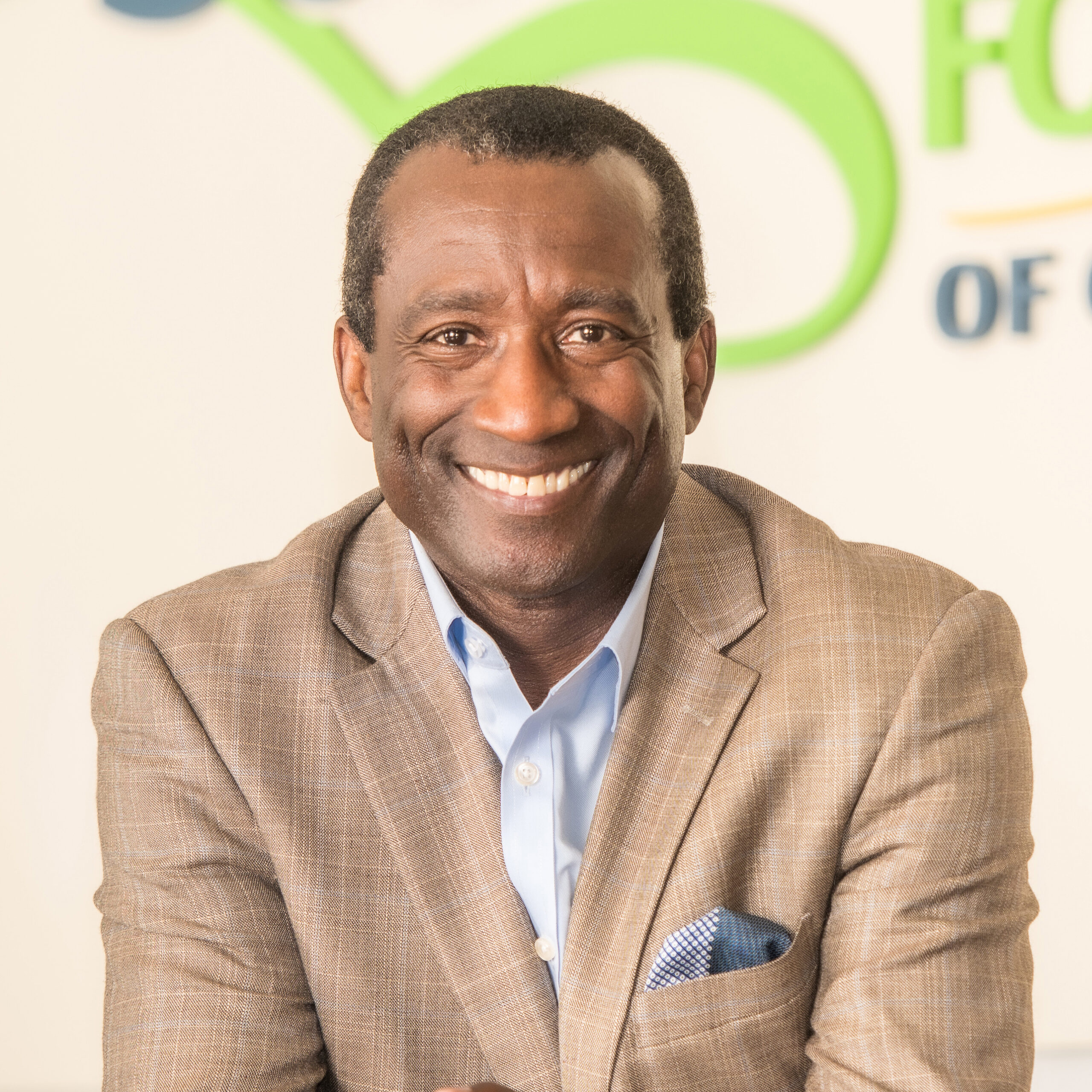
Derrick Chubbs
President & CEO
This guest column originally appeared in The Orlando Sentinel on January 30, 2026.