

These days, it’s not always easy to talk to a real person. Your customer service request goes to the chatbot; your call to the helpline gets bounced through an automated phone directory. And if you’re looking for a job, your biggest worry isn’t nailing the interview – it’s the AI screening tool that decides whether or not you’ll land the interview at all.
Ninety percent of U.S. employers use AI screening tools to rank job seekers, according to a May 2026 report from Stanford University – and the vast majority of those companies rely on the same handful of third-party vendors. It’s a reasonable solution to a real problem: The average job listing today might get two or three times as many responses as it would have 20 years ago, and technology can help ease the burden on overtaxed HR teams.
But one-size-fits-all approach to hiring can also create big problems for job applicants, who can be blocked out of many potential positions at a single stroke without ever realizing why.
Here’s how it works: A candidate sends in their resumé, and the employer submits it to the AI vendor, which provides a label of “recommend” or “do not recommend.” If the AI decides not to recommend them, that candidate is also disproportionately more likely to be rejected by everyemployer that uses the same screening tool. For those “ghosted by the algorithm,” job hunting becomes an unsuccessful cycle.
And while AI can be a great assist for a human HR team, it has blind spots that can block qualified candidates from the positions they’re suited to. The problem lies in how AI is trained: Everything AI knows about how to screen for good candidates is built on past hiring data created by humans. If AI sees that Keith got a call back for an interview, but Lashonda didn’t, it doesn’t challenge the underlying stereotypes at play – it replicates them.
We’ve seen many cases of AI replicating human biases on at scale – most recently, a Stanford University study found that certain AI tools recommended Asian and Black candidates at a rate less than 80% of white candidates. Without one-on-one connections between employers and job seekers, those kinds of disparities can go unchecked.
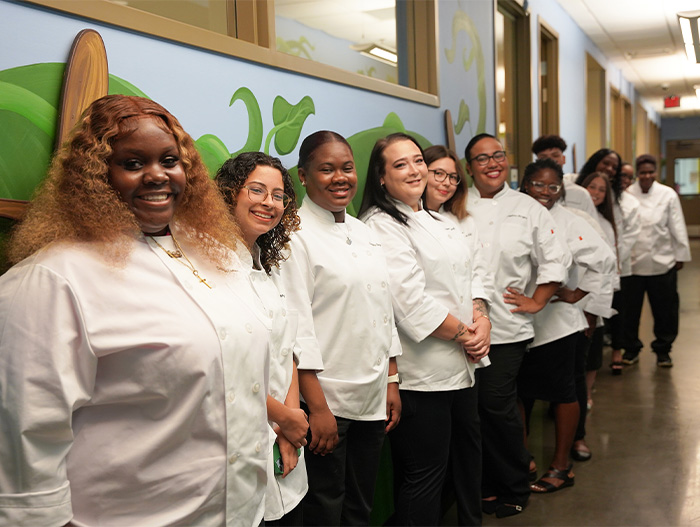
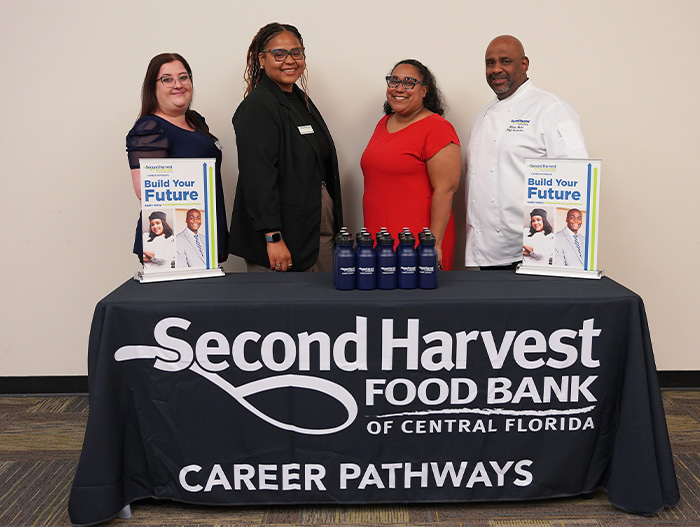
Through Second Harvest Food Bank’s Career Pathways workforce development initiative, I’ve talked to people from all walks of life who feel sidelined in the modern hiring market. Our programs are designed to address the “root causes of hunger” by providing tuition-free job training in the food service and customer service sectors.
Some of the folks I work with are trying to move from gig work to full-time jobs; others are re-entering the workforce after a long gap in employment or overcoming hardships in their personal lives. All of them have spent weeks developing the skills they need to be competitive candidates and great employees – but to get there, they need a chance to show their skills beyond the resume. And Second Harvest can help – by leveraging one-on-one partnerships with local employers to close the AI gap.
AI is changing the hiring process in many ways, for better and for worse. But it hasn’t replaced the value of human relationships and human connections in HR – nor should it. At Second Harvest, we’ve seen how networking, employer conversations, and one-on-one conversations are still incredibly valuable to job-seekers and businesses alike. Second Harvest is currently welcoming applicants to its Career Pathways workforce development program, including both the Culinary and Customer Service tracks. To learn more about class start schedules and application deadlines, visit FeedHopeNow.org.

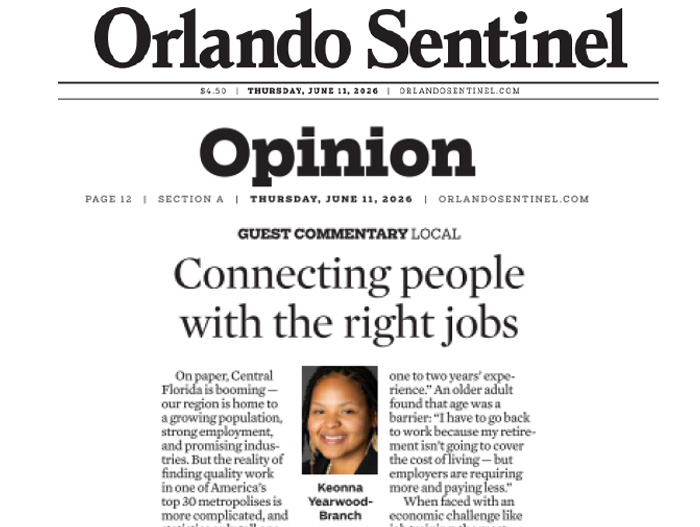
Keonna Yearwood-Branch
Director of Workforce Training
This column originally appeared in The Apopka Voice on October 26, 2026.