

On paper, Central Florida is booming – our region is home to a growing population, strong employment, and promising industries. But the reality of finding quality work in one of America’s top 30 metropolises is more complicated, and statistics only tell one side of the story.
Although Orlando is a big city with a busy job market, it’s also one of the lowest-wage metropolitan areas in the United States, and the cost of living is rising faster than the availability of quality jobs. Those contradictions raise questions: Why are people seeking work and not finding it? Why are those who do find work still struggling to make ends meet? And most critically: How do we solve the problem?
Over the past few years, Second Harvest Food Bank of Central Florida has been exploring how these challenges impact financial stability and food insecurity in our neighborhoods – surveying more than 250 community members and leading round-table discussions to get to the root of the problem.
We learned that many of those who needed help putting food on the table were employed – but their jobs were seasonal, part-time, and low-paying. They had contract work for busy tourist seasons and dry patches in between. They strung together multiple shifts from different jobs, working full time without the benefits. And when they still didn’t earn enough to make it through the month, they took up low-paying gigs to stretch their budget just a little bit further.
Others were unemployed, but not for lack of trying. “I’ve applied for 30-something positions, and I haven’t heard back from anyone,” one told us. A young adult struggled to enter the workforce because “even entry-level jobs are asking for one to two years’ experience.” An older adult found that age was a barrier: “I have to go back to work because my retirement isn’t going to cover the cost of living – but employers are requiring more and paying less.”
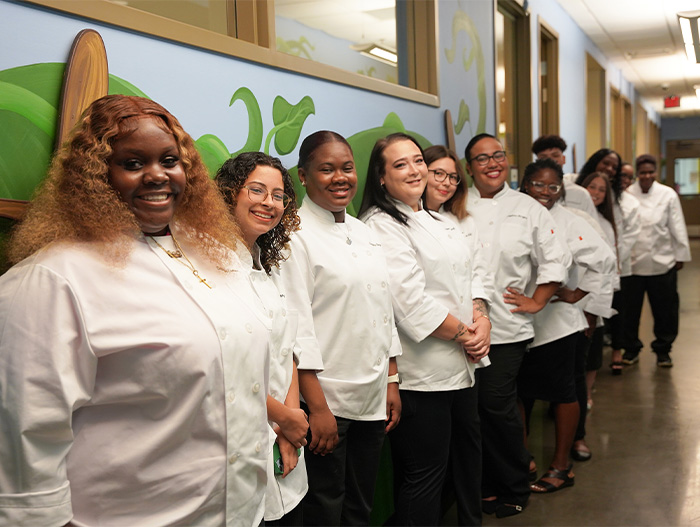
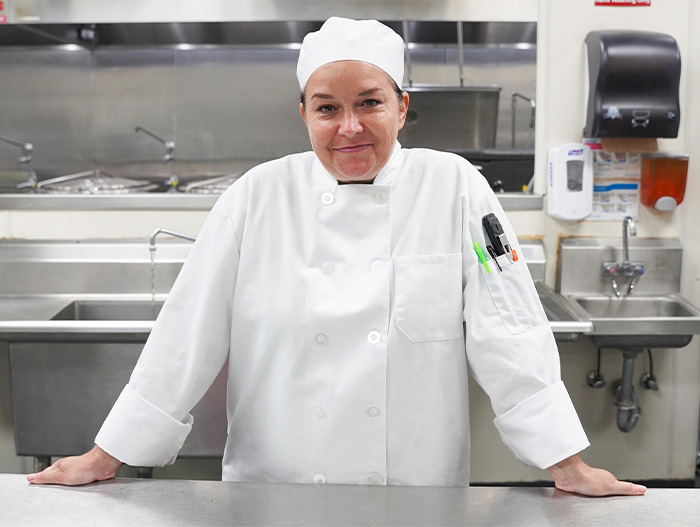
Unemployment is a critical root cause of hunger, along with related issues like housing, health, and education. At Second Harvest, we work to “shorten the line of need” through initiatives like our Culinary Training Program, which offers tuition-free food service training to help adults begin new careers in the hospitality industry. But when faced with an economic challenge, the most fundamental rule is supply and demand: You go where the need is highest.
So, we shifted our research from job-seekers to employer partners. We asked them what positions they had available that were tough to fill, and why. What jobs had the wages, but not the applicants? The answer was resounding: customer service. If you’re trained in customer service, you can staff a front desk, work guest services, or do intake for a hospital – and as a result, you can build a career with the potential for growth.
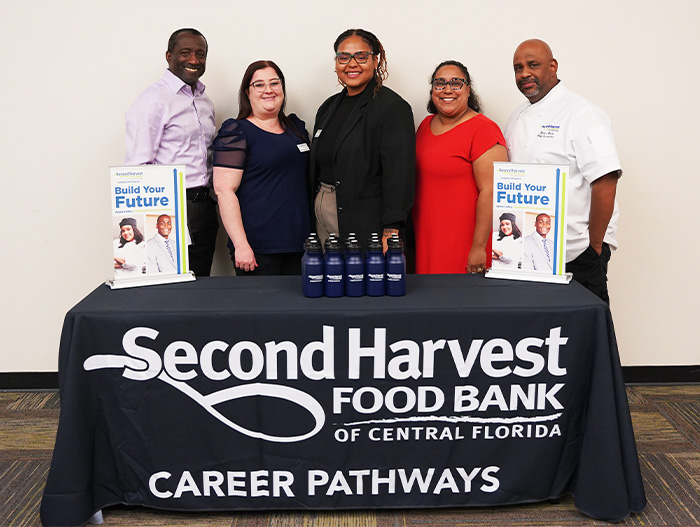
That insight informed our choice to expand Second Harvest’s longstanding Culinary Training Program into Career Pathways. It’s still the same free, mission-driven training program – but now, participants can choose between a 10-week culinary course and a 5-week customer service track, both designed to teach the workforce readiness and soft skills employers are looking for.
When people make Orlando their home, it’s because they want to create a life for themselves. They want to raise families and retire. Our aim is to connect those people to the jobs that can keep them here – allowing them to put food on the table, get out of debt, advance in their careers, send their kids to college, and save up for a secure retirement.
If you or someone you know has been looking to find quality work in Central Florida, Second Harvest’s nonprofit Career Pathways program is here for you. Applications for the next Culinary Training and Customer Service cohorts are open now, with classes beginning in July and August. To learn more about the different ways Second Harvest is fighting hunger and feeding hope, visit FeedHopeNow.org.

Keonna Yearwood-Branch
Director of Workforce Training
This guest column originally appeared in Orlando Sentinel on June 11, 2026.