

Anybody can fall on hard times. For neighbors living paycheck to paycheck, a cut in hours or a lost job can quickly turn everyday choices into painful tradeoffs. Grocery shopping becomes less about preferences and more about survival. Neighbors have to weigh decisions like what they can afford, what has to wait so rent, insurance, and medical bills still get paid.
Too often, losing the ability to choose what food goes on your table also means losing a sense of dignity. That lack of choice can carry stigma at a moment when life already feels out of control.
Second Harvest Food Bank of Central Florida collaborates with more than 870 feeding partners across seven counties to change that experience for neighbors facing hunger.
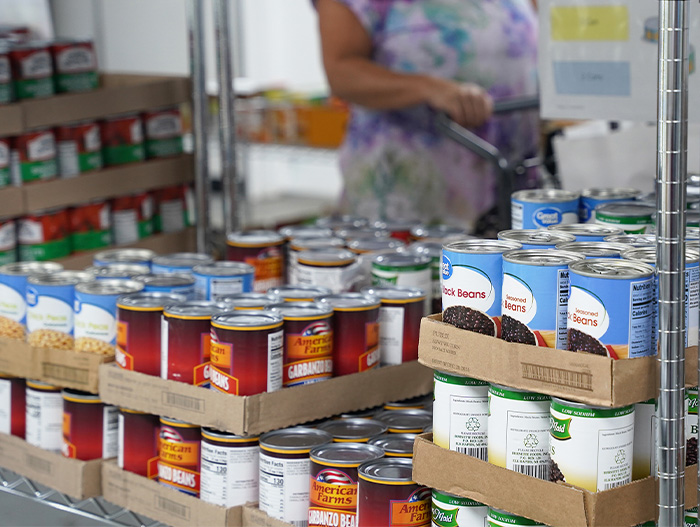
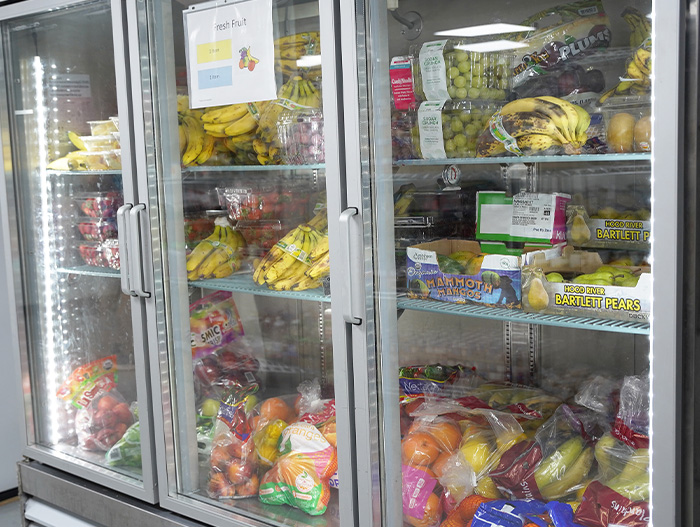
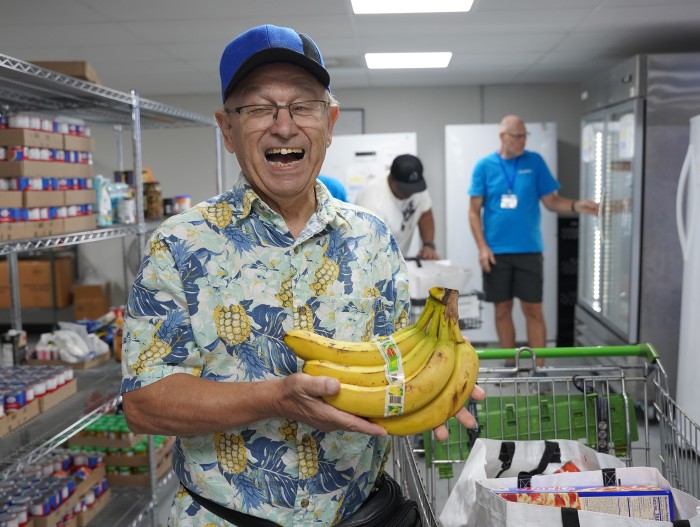
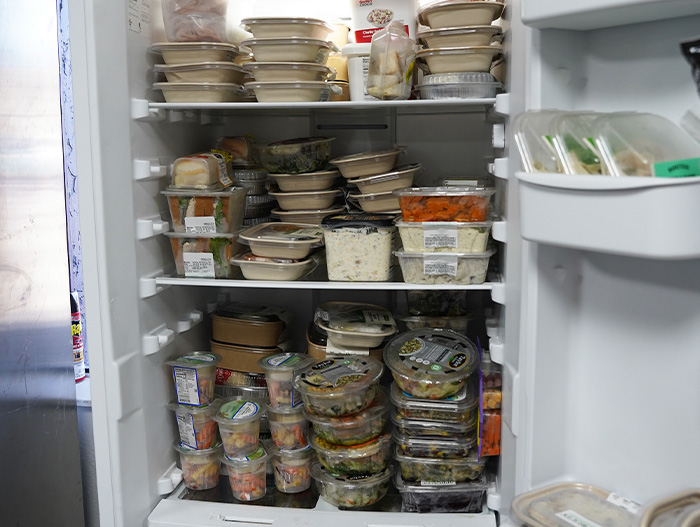
Feeding partners like the Sharing Center of South Brevard in Melbourne look and feel different than what most people might think of as a food pantry. The shelves are stocked with fresh produce, meats, pantry staples, and even frozen foods and dairy. Neighbors walk through the aisles just like they would at a supermarket, selecting foods that fit their tastes, cultural traditions and health needs.
“It’s really about dignity,” says Executive Director Jeff Njus. “Our clients are really just about anybody that falls on some hard times and needs the support, somebody who is looking at all of their bills, prioritizing rent, and then asks, ‘What am I going to do for groceries?’”
People like Jay, a senior living on a fixed income.
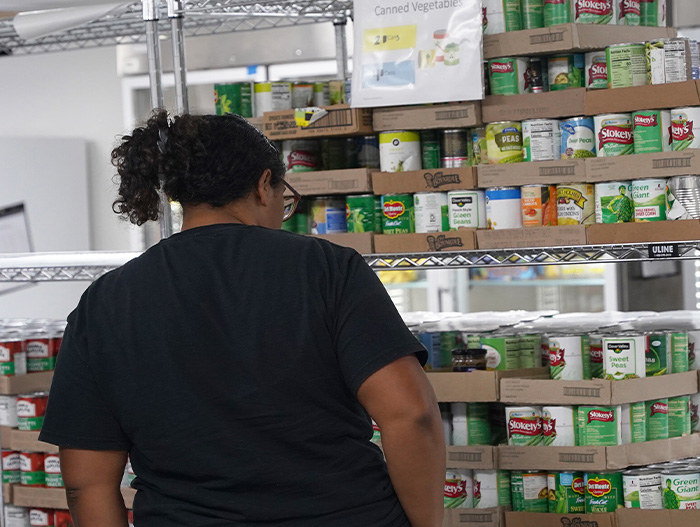
“I have a house and a car, but I’m still trying to keep my head above water because my house insurance keeps going up, and Medicare costs cut into my finances,” he explained while shopping the aisles at The Sharing Center one morning.
He likes that he can choose his own food with the help of a volunteer.
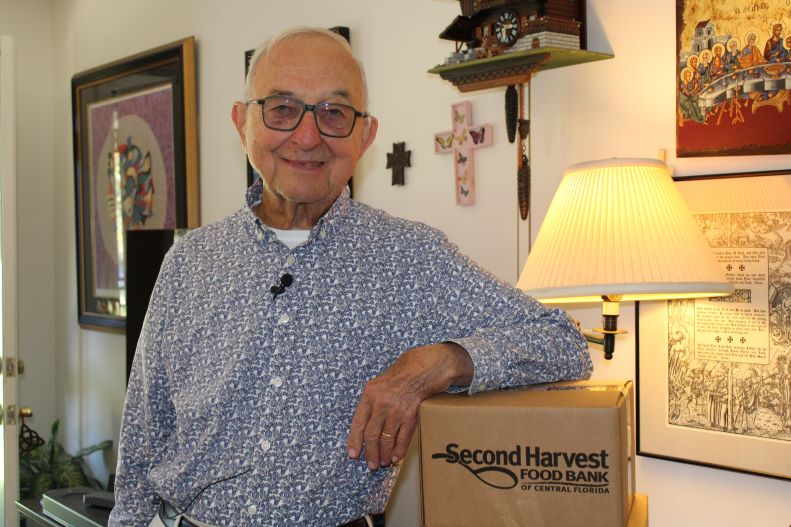
Much of that choice is made possible by weekly deliveries from Second Harvest. The steady supply allows The Sharing Center to keep shelves full and welcoming.
For neighbors like Osvaldo, whose job disappeared with budget cuts, the support and connection make all the difference.
“You want to make it on your own,” he says. “This place gets you through by treating you the way you’d want to be treated.”
Because when people are given choice, they don’t just receive food—they reclaim dignity, stability, and hope.
Help neighbors with stability and hope.
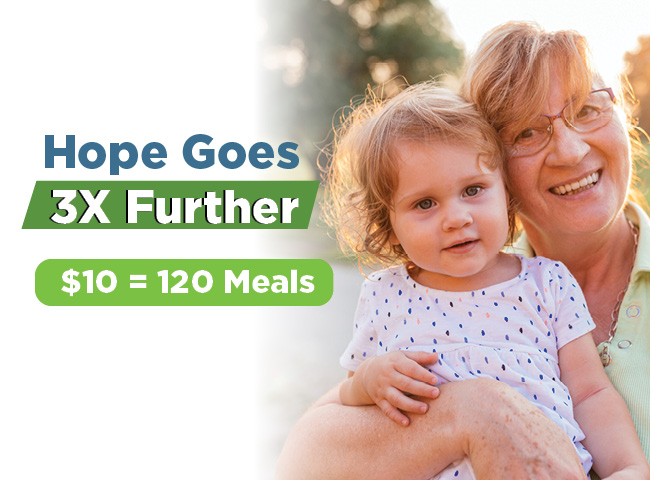
$10 provides 40 meals – and hope.