

Most Central Florida parents take on additional financial and logistical stressors when their kids are out of school for the summer.
The price of summer camps and childcare, transportation to activities and appointments and the added costs to grocery bills from the lack of school-provided breakfasts and lunches all add pressure to already tight budgets.
But Juliah has even more on her plate and more barriers to accessing nutritious meals for her four children this summer.
The mom of two high-schoolers and two second graders with autism spectrum disorder put on a brave face as she pulled into the Summer BreakSpot rural distribution site at St. Luke’s Baptist Church in Sanford in June.
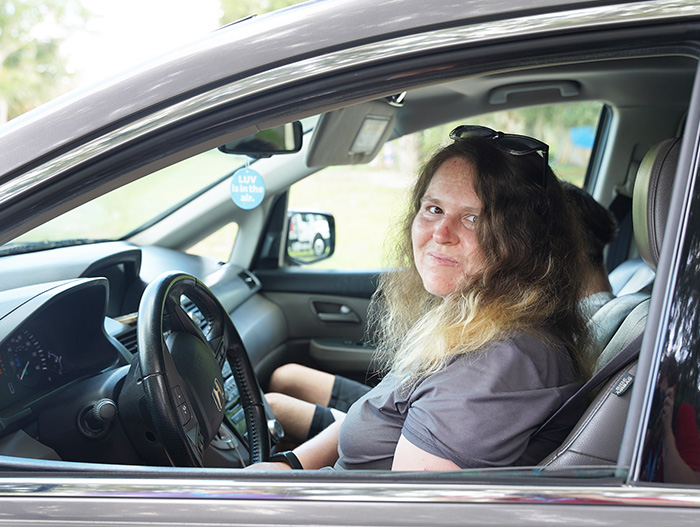
She can’t afford a summer camp, and she can’t take her kids to a traditional Summer BreakSpot site to eat a prepared breakfast and lunch every day. She could barely squeeze in the drive to St. Luke’s to pick up boxes with a week’s worth of breakfasts and lunches for each kid before having to hurry home.
She is required to be present for her two youngest children’s daily seven-hour, in-home Applied Behavior Analysis (ABA) therapy sessions.
“We can’t leave and go do that and sit there and then come back,” Juliah said as to why the traditional sites are not a viable option for her family. “With the price of gas, the time of going twice a day, and then you have to sit there while they eat, and it interferes with them being able to get their therapy.”
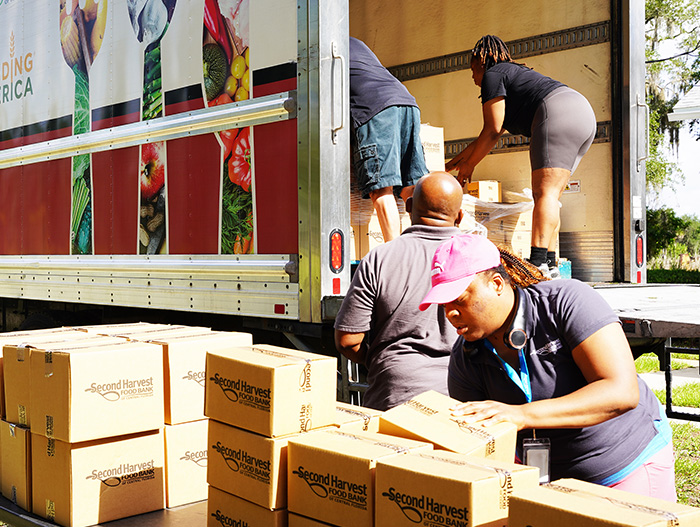
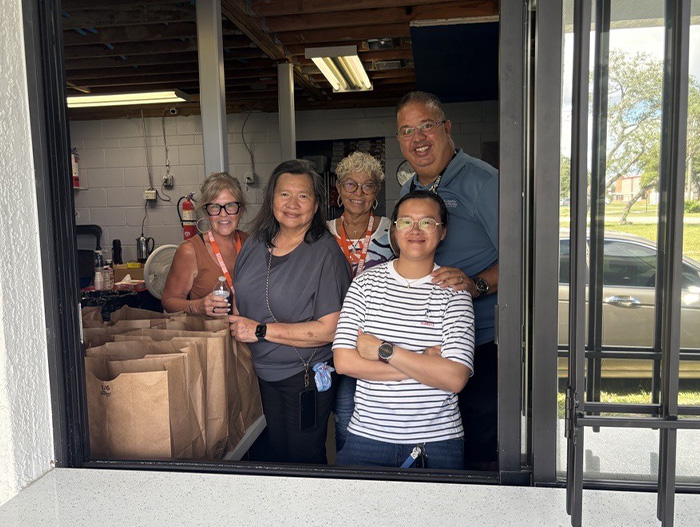
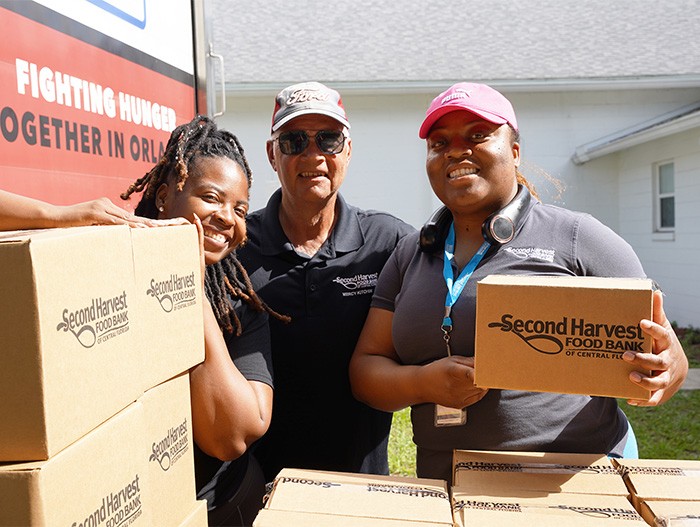
As part of the Florida Summer Break Spot program, Second Harvest Food Bank of Central Florida prepares, packages and distributes nutritious meals and snacks free of charge to kids and teens ages 18 and under throughout the summer months. Volunteers help prep and pack meals at Mercy Kitchen, which are then delivered to community centers, summer camps, and other places where children can safely gather for a meal, Monday through Friday.
Most of the more than 50 sites offer prepared meals to be eaten onsite, but there are four rural distribution sites where families can pick up two boxes – one with seven lunches and one with seven breakfasts – per child every week.
This is the first year St. Luke’s has hosted the summer site, and it is currently the only rural distribution site in Seminole County.
The Seminole County initiative expands on a pilot launched in rural Lake County in 2025. Supported by a grant from No Kid Hungry Florida, generously supported by Dollar Tree, the program uses a non-congregate model. This allows caregivers to pick up boxes of food during scheduled distributions, eliminating the requirement for children to eat on-site.
During its first week, St. Luke’s distributed meal boxes for 50 children, and the second week increased to 61. Word spread, and the church ran out of boxes after distributing enough for 90 kids in its third week.
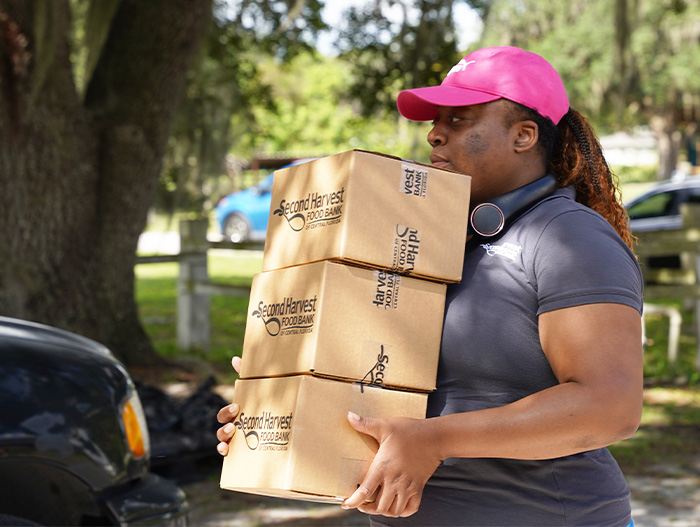
Felicia, the lead coordinator of St. Luke’s food outreach program, said the organization decided to add the summer program because parents in the community need help feeding kids right now.
“The need with the inflation, with the gas and everything going up, is why,” Felicia said. “The parents have their mortgage payments; they’re trying to buy gas and trying to feed the kids. I touch base with every car and talk to everyone that comes, and you hear a whole lot of stories that people are struggling right now trying to make ends meet.”
She said the church chose the rural model because they do not have a facility to host daily on-site meals, but they wanted to help feed kids during the summer.
“This way the parents can come and pick up and just keep going,” Felicia said. “We wanted to do whatever we can to try to help the families.”
After jumping through a series of doctors’ appointments, evaluations, and forms to finally get the ABA therapy services approved, Juliah wants her kids to be as prepared as possible for the upcoming school year. That means committing to being home for seven hours for each session.
“They’re having a lot of issues in school,” Juliah explained. “If we leave (home), the session ends and they don’t get the therapy. It’s so hard to get ABA services. I’ve been trying for years.”
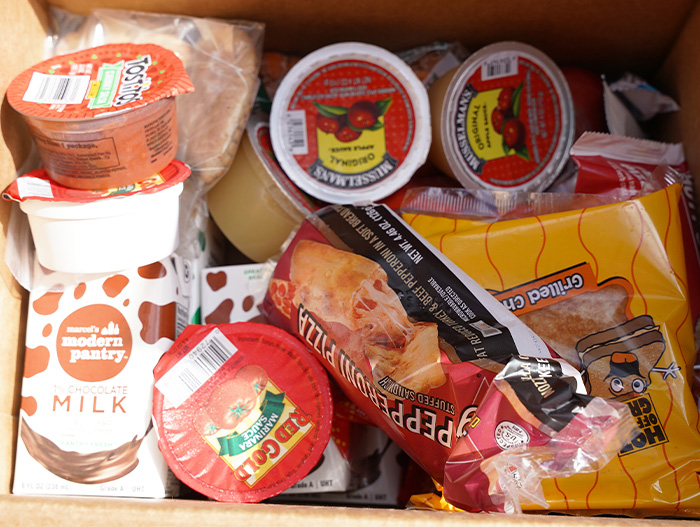
Being able to pick up boxes once a week helps her make it work. It will also ease the family’s financial strain.
“It helps a lot because every month I’m struggling,” Juliah said. “I have a lot of health issues myself. I have a full-time job, but a lot of times it’s barely covering. Rent alone is half my income. And what’s left for food?”
Felicia said the meal boxes will have a significant impact on families like Juliah’s.
“Breakfast and lunch are taken care of, and it’s great food in the boxes,” she said. “They’re saying it’s a blessing to have enough to take them through the week.”