

As hurricane season approaches, the Second Harvest Food Bank of Central Florida is focused on being prepared to feed Central Floridians in the wake of a storm.
Before disasters occur, Second Harvest collaborates closely with national, state and local partners to ensure that food, water and essential supplies are prepared and available for deployment at a moment’s notice.
Decades of experience make Second Harvest uniquely qualified to provide immediate relief and long-term recovery to neighbors impacted by fires, floods, hurricanes, tornadoes and more.
One of those partners is the global healthcare company Abbott, which recently combined forces with Second Harvest and Feeding America to prepare for the 2026 Atlantic hurricane season.
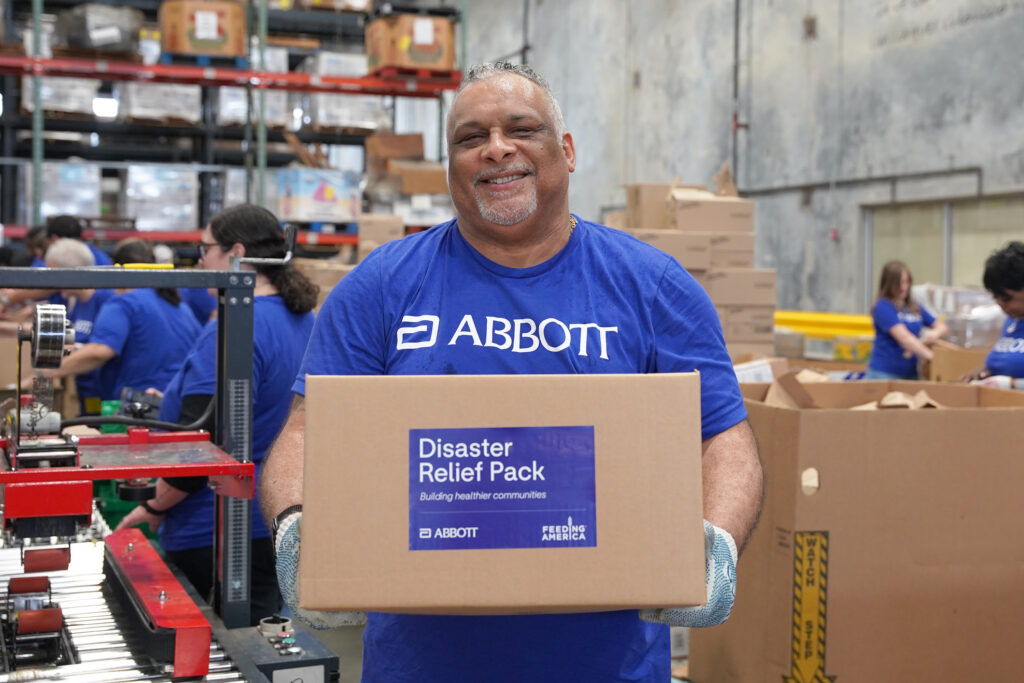
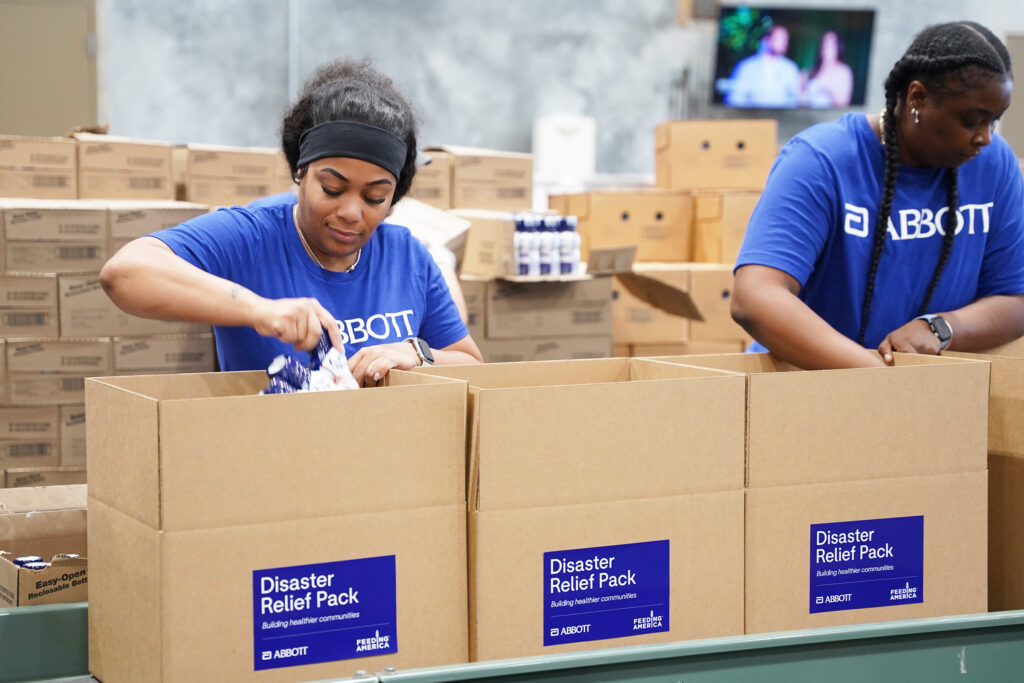
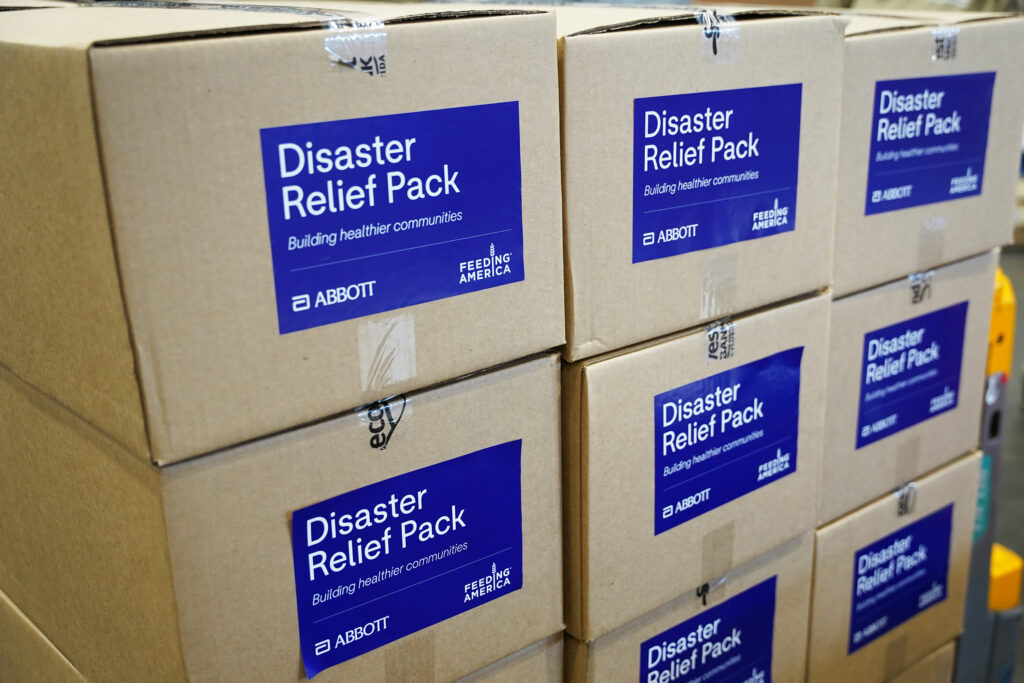
On Thursday, May 21, more than 40 Abbott employee volunteers from the company’s facility in Orlando assembled 1,000 Abbott Disaster Relief Packs, 500 for families of two and 500 for families of four.
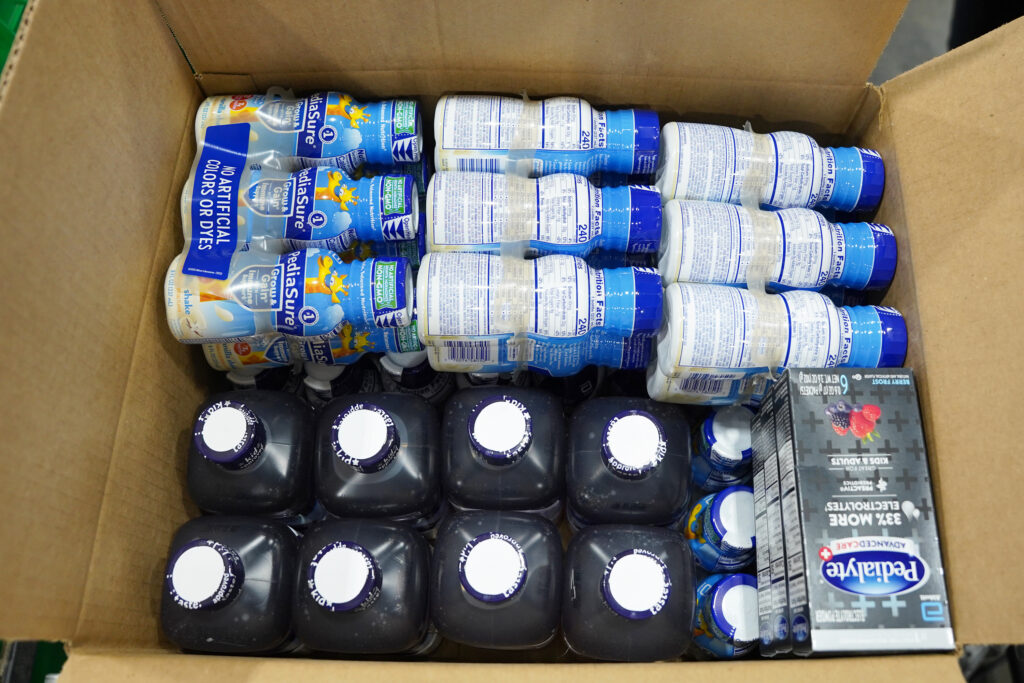
Each box can meet a family’s immediate nutritional needs for up to three days and does not require warming or refrigeration. The packs contain Abbott nutrition products, such as Ensure, Pedialyte and PediaSure drinks for adults and children.
For many years, Abbott, Second Harvest and Feeding America have worked together to stock Abbott Disaster Relief Packs in Florida.
“In times of disasters, the Abbott Disaster Relief Packs will provide families with immediate relief, until additional support is provided to them,” said Cynthia Jones, Senior Manager of Global Citizenship at Abbott. “Having experienced a disaster myself, I know that it’s very difficult to even think about your nutrition, and so I’m proud to be part of projects like this with fellow Abbott volunteers to make an impact for families experiencing any kind of disaster.”
Cynthia said the important piece is preparing in advance.
“We’re taking a proactive approach for if and when a disaster strikes,” she said.
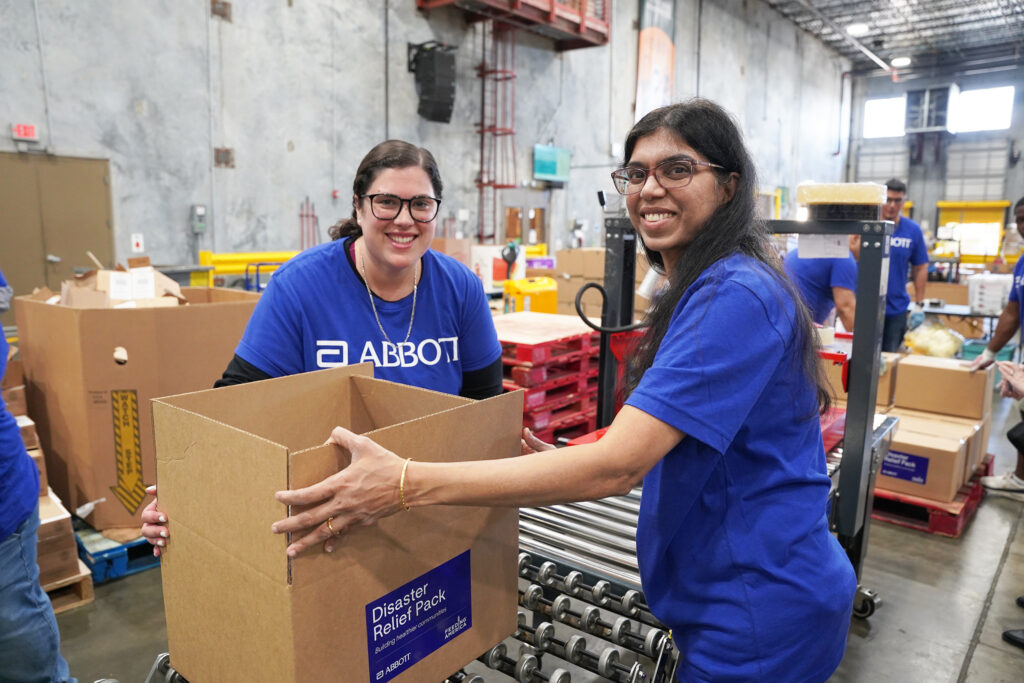
The preparation happening now enables Second Harvest to respond quickly.
After a disaster strikes, Second Harvest maintains constant communication with Feeding America, Feeding Florida, state and county emergency operations centers, and other relief agencies. This coordinated effort ensures that essential food, water and supplies can be mobilized quickly to the areas of greatest need.
Second Harvest can receive large donations of food, water and supplies from the Feeding America network of food banks, food manufacturers and government relief programs to support response efforts. Financial contributions and volunteer efforts are crucial for distributing meals and hope to neighbors affected by the disaster.
Second Harvest’s Mercy Kitchen can rapidly ramp up the production of hot or cold meals for community feeding programs, local shelters and other partners in the wake of a disaster.
Throughout the distributions, food bank staff and volunteers helped carry boxes to workers’ vehicles offering gratitude and encouragement to the dedicated men and women going without pay until the shutdown ends.
Community support makes it possible for Second Harvest to respond to neighbors facing disasters.
Second Harvest and its partners are embedded within the local community. These unique relationships allow for ongoing support as neighbors rebuild, recover and regain stability in the months following a disaster.
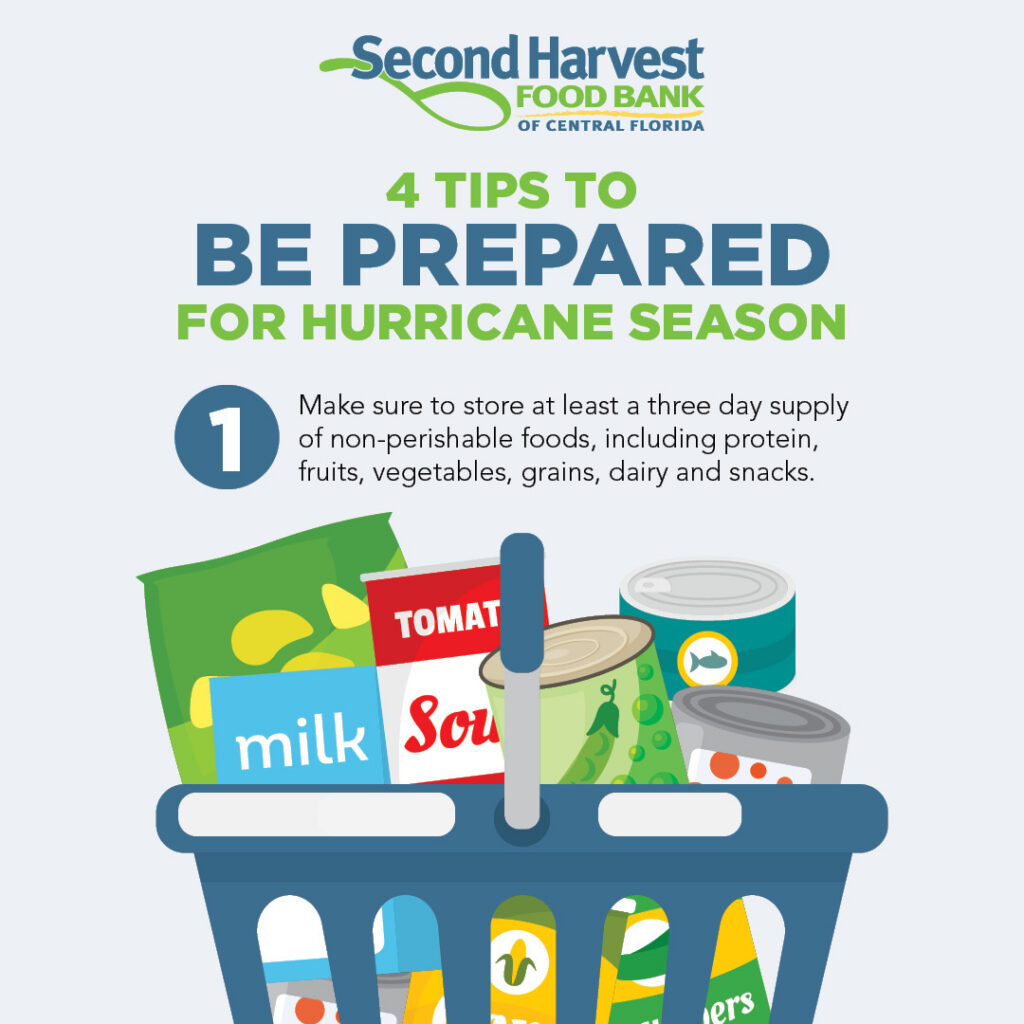
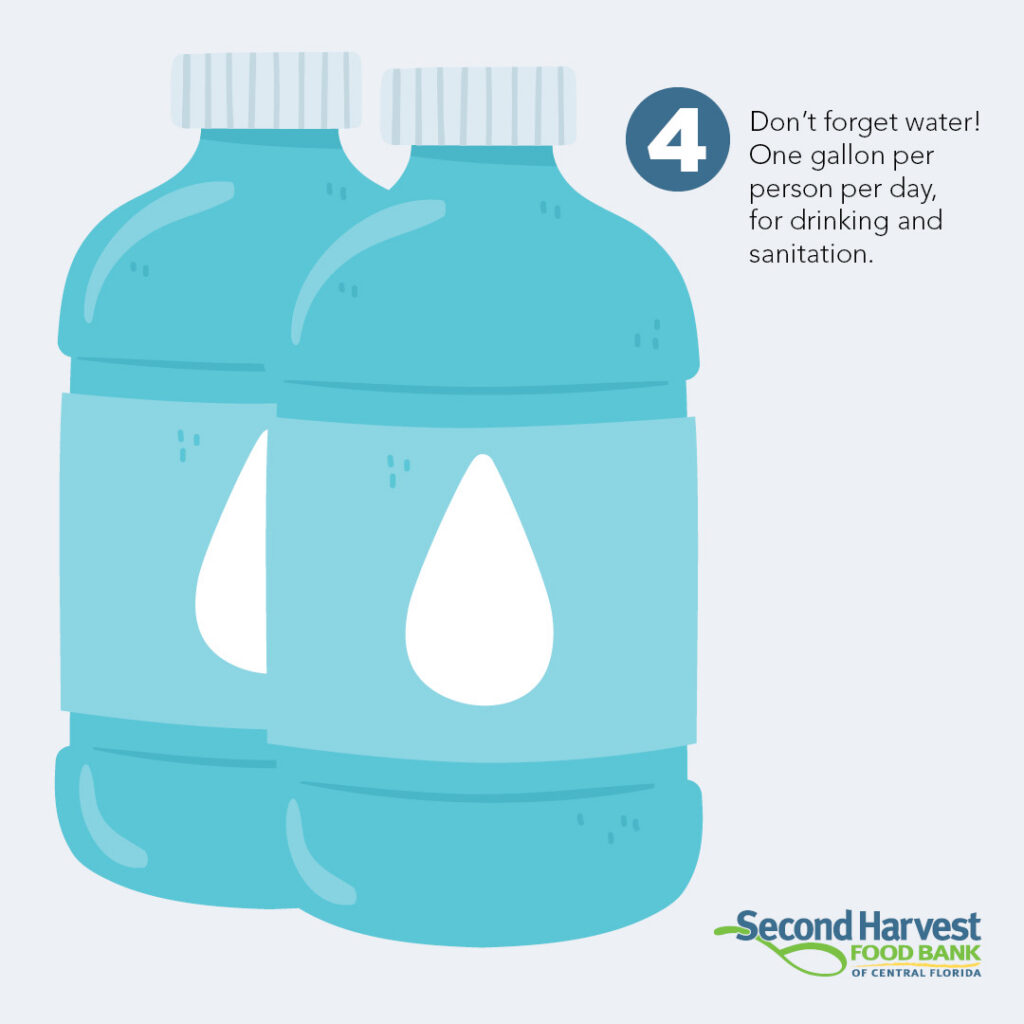
The food bank encourages community members to prepare early. Neighbors are advised to stock three days’ worth of non-perishable foods, including protein, grains, fruits, vegetables and snacks. One gallon of water per household member is also recommended for drinking and hygiene.
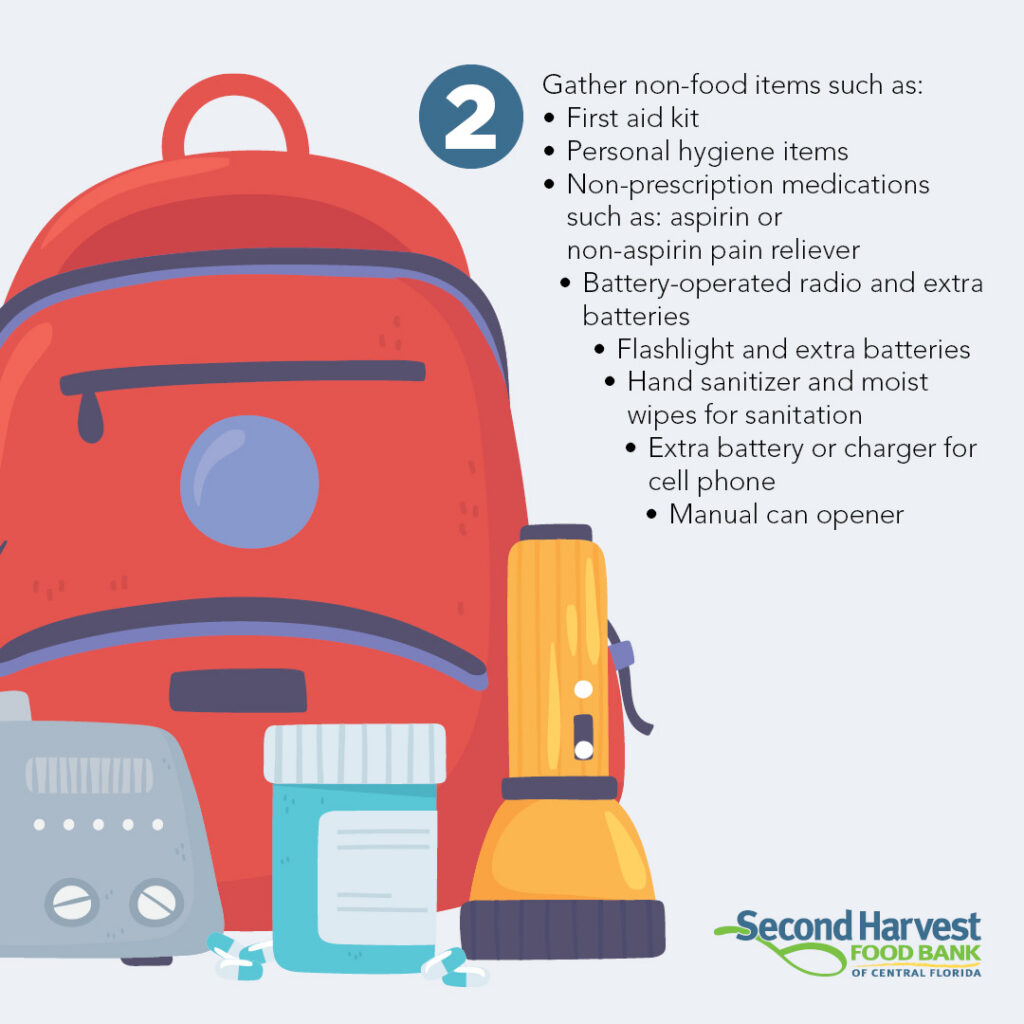
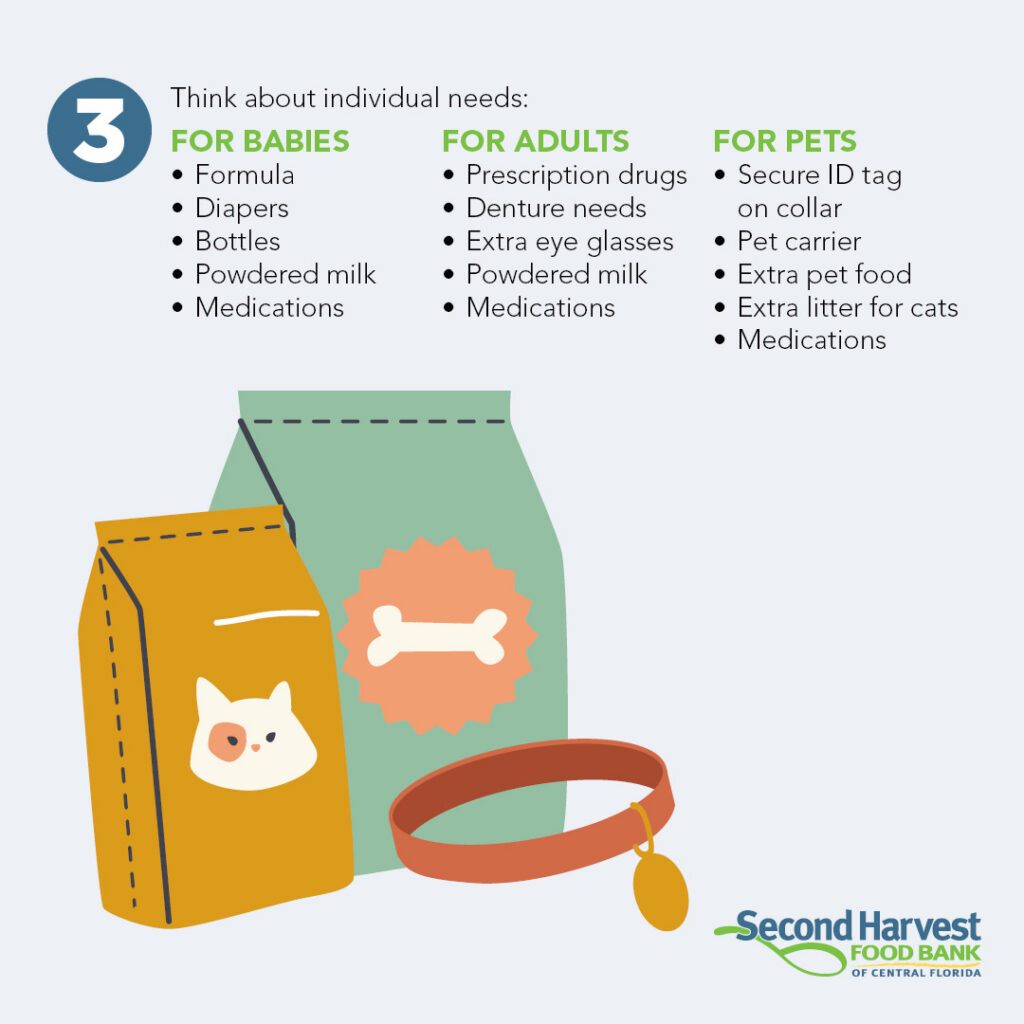
Non-food essentials that are wise to have on hand include first-aid kits, batteries, flashlights, battery-operated radio, medications and more. Neighbors should consider individual needs for babies, pets and senior household members, too.
Second Harvest has prepared a shopping guide to best prepare for hurricane season. For help with non-perishable food, neighbors can also use the Food Finder.
Some potential impacts and safety risks of hurricanes are hard to see. In the event your home loses power, please check these guides from the USDA to ensure food safety.